Handcrafted Private Journeys

A season-by-season guide to cities, mountains, desert and coast

Best Time to Visit Morocco

Morocco is a year-round destination, but the best time to visit depends on where you want to go. Compare the seasons across the imperial cities, Atlas Mountains, Sahara and Atlantic coast, then choose a private itinerary that fits your pace and interests.

Morocco’s Climate by Region

Morocco’s Seasons at a Glance

Morocco has several climate zones, so conditions can differ between the coast, inland cities, mountains and desert on the same trip. Spring and autumn are popular for city-and-desert routes because daytime sightseeing is often more comfortable. Summer can suit coastal stays and higher elevations, while winter brings milder coastal days but colder mountain conditions and chilly desert nights. Check local forecasts for your route and travel dates.

Think about the difference between daytime and overnight conditions. A route can feel warm under the sun yet cool after sunset, particularly in the mountains and desert. Leave room in your packing plan for layers, and confirm the forecast for the places where you will sleep.

Before You Choose Your Dates

Four Factors That Shape Your Best Travel Dates

Consider the regions you want to visit, the temperatures you prefer, the activities on your list and the pace of your route when choosing dates.

Regions & Altitude

Coastal, inland, mountain and desert weather can differ on the same trip. Check conditions for each stop.

Daylight & Temperatures

Plan sightseeing around daylight and the daytime temperatures expected for the places you will visit.

Activities & Seasonal Access

Some experiences and mountain routes depend on local conditions. Confirm seasonal availability when planning your route.

Route Pace & Distances

Longer routes cover more regions and driving. Allow enough days to explore without rushing, whichever season you choose.
Choose a Route for the Season

Private Morocco Tours for Every Travel Window

Explore private itineraries from 6 to 17 days. A shorter city-and-desert trip, a 12–14 day route, or a longer grand tour can each work in different seasons; compare the destinations and pace before deciding.

Expert Regional Insight

How to Choose Dates by Region

Imperial cities: Spring and autumn are often comfortable for walking, while summer afternoons can feel hot inland. Plan sightseeing earlier in the day and allow breaks.

Atlas Mountains: Conditions change with altitude and season. Winter may bring cold weather or snow on higher routes, so check access and local forecasts before travel.

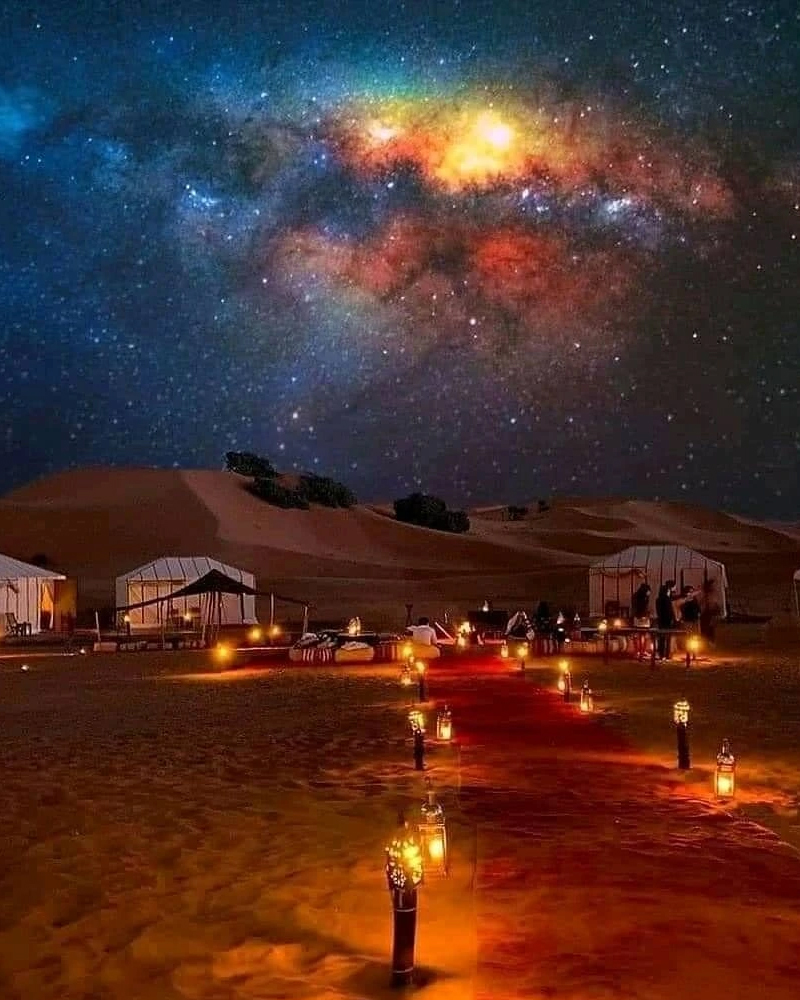
Sahara: Desert days can be hot in warmer months and nights can be cold, especially in winter. Pack layers and confirm conditions for your camp and route.

Atlantic coast: Coastal cities are moderated by the ocean, making them a useful option when inland temperatures are less comfortable. Wind and local conditions still vary.

What to Pack and Check Before You Go

Pack for the range of conditions on your route: light layers for warm afternoons, warmer clothing for evenings and higher elevations, sun protection for exposed areas, and comfortable walking shoes for medinas and uneven paths. Before departure, check the forecast for each stop, especially mountain passes and desert nights, and confirm seasonal access with your travel planner.
Build in Flexibility

Weather and road conditions can change across regions. A private itinerary gives your planner room to adapt the pace and order of stops when needed; agree any changes with your travel team as you go.

Morocco Weather FAQs

FAQs: Best Time to Visit Morocco

When is spring in Morocco? Spring conditions generally fall around March to May, but weather varies by region and elevation. Check the forecast for each stop on your itinerary.

Is summer a good time to visit? It can be, especially for coastal stays and cooler highlands. Inland cities and desert areas may be very hot in daytime, so plan activities and travel times accordingly.

Can I visit Morocco in winter? Yes. Coastal and city visits remain possible, while mountain routes can be much colder and desert nights chilly. Build flexibility into the itinerary and pack warm layers. For a month-specific overview, read our Morocco in December weather and packing guide.

When is autumn in Morocco? September to November is another popular planning window for many routes. Conditions still differ between coast, cities, mountains and desert, so choose dates with your full route in mind.

Traveling across several regions? Compare our private Morocco itineraries and explore routes from 6 days to longer journeys. For a broad overview, see how many days to spend in Morocco.

Best Morocco Travel Agency
Before You Book

Match the Season to Your Route

Choose travel dates after deciding which regions matter most to you. Ask about typical daylight, drive times, seasonal access and overnight temperatures for every stop, rather than relying on one national forecast. Our private journeys can be adapted around your priorities, route and pace.

Bring comfortable shoes for city walks and sun protection for exposed areas. Add a warm layer for evenings and higher elevations, especially if your route includes the Atlas or Sahara.

Before you travel, check local forecasts and confirm any seasonal route or activity details with your trip planner. The climate can differ considerably between stops.